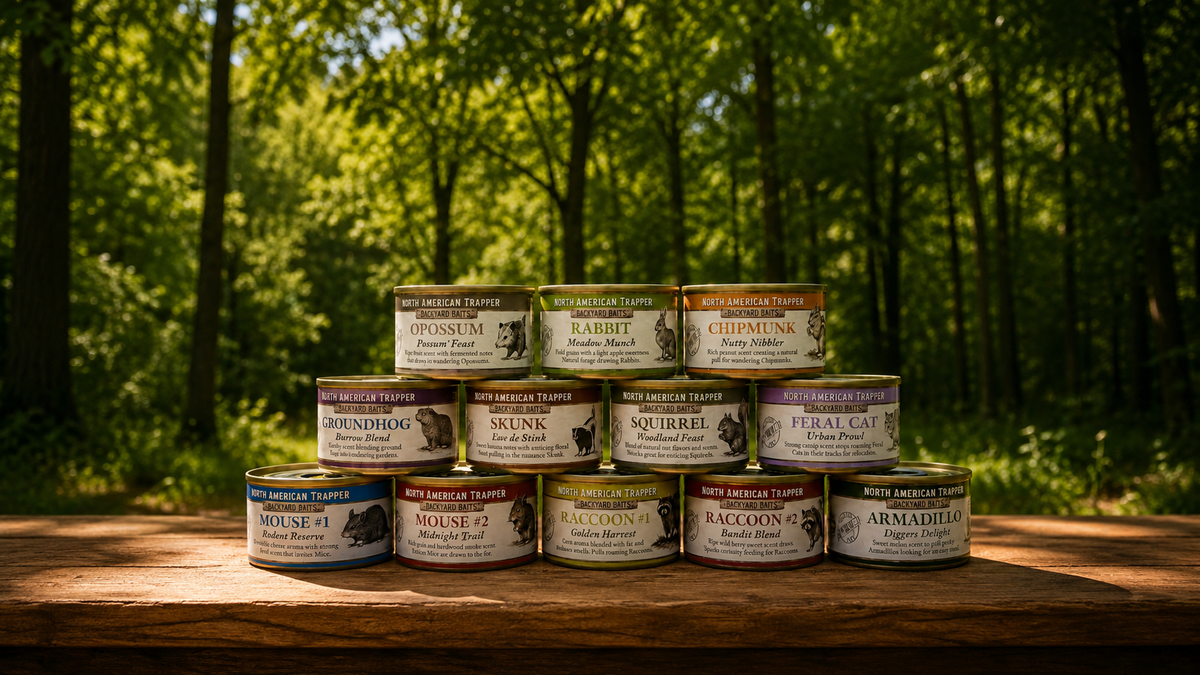
How to Identify and Trap a Rabbit With a Cage Trap and Backyard Baits Rabbit Bait
You walk into the backyard and notice that something isn’t right.
Your lettuce is disappearing.
The tops of your garden plants have been nipped off.
Your flowers have been chewed down.
Maybe your young vegetable plants looked perfectly healthy yesterday, but this morning, they’re suddenly missing their leaves.
You can’t figure out what’s doing it.
If you’re finding clean, low-to-the-ground feeding damage without much disturbance to the surrounding soil, there’s a good chance a rabbit is helping itself to your garden.
Rabbits can be frustrating backyard pests because they don’t need much room, don’t make much noise, and can feed heavily around gardens and landscaping.
Once a rabbit discovers a reliable food source, it may establish a regular routine around your property.
The key to dealing with the problem is understanding that routine.
Find the rabbit’s feeding area. Find its travel route. Then put the cage trap where the rabbit naturally wants to go.
First, Make Sure It’s a Rabbit
Before you set a trap, identify the animal causing the damage.
Several animals can eat garden plants, but rabbits leave some recognizable clues.
Look for Cleanly Clipped Vegetation
Rabbit feeding damage often appears as vegetation that has been neatly clipped or bitten off.
Look closely at:
- Lettuce
- Beans
- Peas
- Broccoli
- Cabbage
- Young garden plants
- Flowers
- Shrubs
- Seedlings
Rabbits commonly feed close to the ground, so the lower portions of plants may show the most damage.
If you’re finding plants mysteriously disappearing but the soil around them isn’t heavily disturbed, a rabbit should be on your list of suspects.
Look for Rabbit Tracks
Rabbit tracks are another useful clue.
Look for them in soft soil, garden beds, mud, and snow.
Rabbit tracks generally show large hind feet and smaller front feet. The larger rear tracks often appear ahead of the front tracks as the animal moves.
You may also notice a regular path through grass or vegetation.
Look for Droppings
Rabbit droppings are small, round pellets that can often be found around feeding and resting areas.
A concentration of pellets near your garden, shrubs, or other vegetation can help confirm that rabbits are using the property.
Look at How the Plants Are Being Damaged
One of the easiest ways to identify a rabbit problem is to study the height of the damage.
If plants are being eaten primarily from the ground upward and the damage is concentrated on tender vegetation, rabbits become a strong possibility.
Deer generally browse higher.
Groundhogs can reach considerably higher portions of plants.
Rabbits stay close to the ground.
That doesn’t mean every low bite is caused by a rabbit, but the height, bite pattern, tracks, and other signs together can give you a clearer picture.
Find Where the Rabbit Is Coming From
Once you’ve identified the animal, don’t immediately put your cage trap in the garden.
First, look around.
Where does the rabbit spend its time when it isn’t feeding?
Look for:
- Brush
- Tall grass
- Shrubs
- Wood lines
- Rock piles
- Garden edges
- Dense vegetation
- Areas beneath decks or other structures
Rabbits are prey animals.
They generally prefer areas where they can feed while remaining relatively close to cover.
That gives you an important clue about trap placement.
Find the Rabbit’s Travel Route
A rabbit may have a very predictable route between its daytime cover and your garden.
Look for flattened vegetation or a narrow path through the grass.
You may notice the same opening in a fence or the same route through your landscaping being used repeatedly.
That is where you want to intercept the rabbit.
Don’t assume the trap belongs in the middle of the garden simply because that’s where the rabbit is eating.
The garden is the destination.
The travel route is your opportunity.
Choosing the Right Cage Trap
Use a sturdy cage trap appropriately sized for rabbits.
The rabbit should be able to enter easily without feeling crowded.
Make sure the trap:
- Sits firmly on the ground
- Has a properly functioning trigger
- Has a door that closes reliably
- Has no sharp or damaged wire
- Doesn’t rock or wobble
A trap that moves every time an animal touches it can make a cautious rabbit reluctant to enter.
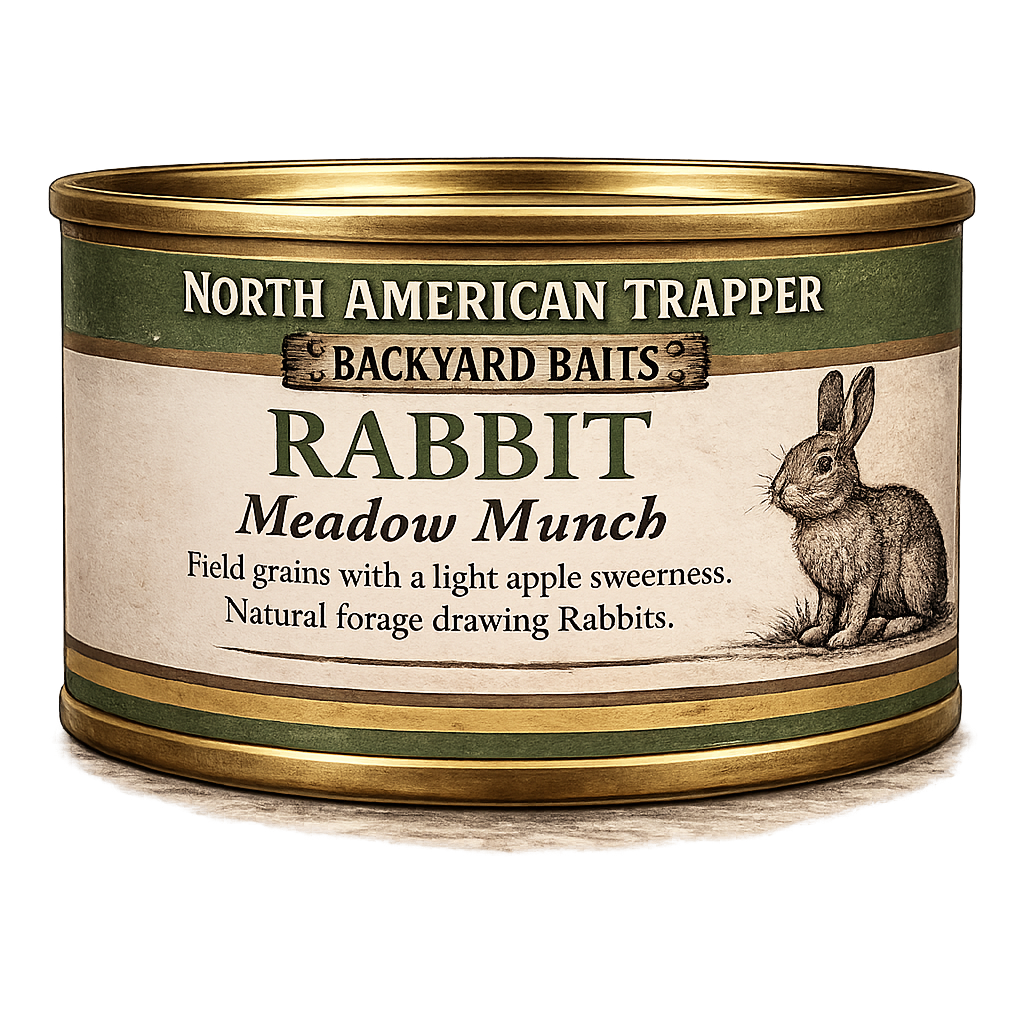
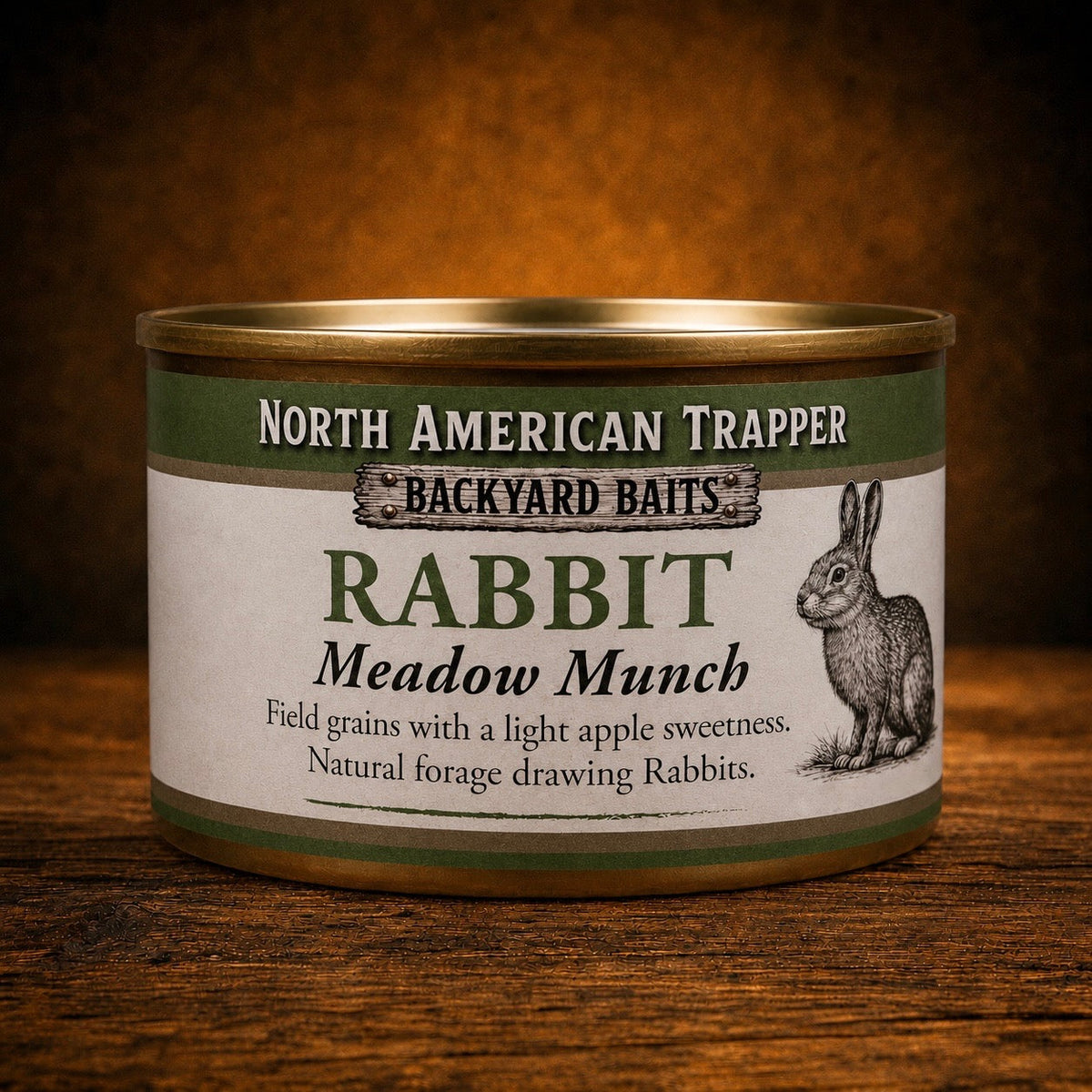
Using Backyard Baits Rabbit Bait
Now, give the rabbit a reason to enter.
Place Backyard Baits Rabbit Bait toward the back of the cage trap, beyond the trigger.
The goal is for the rabbit to walk completely inside the trap while investigating the bait.
Don’t place all of the bait at the entrance.
You want the animal to commit to entering the cage.
You can also use the rabbit’s existing feeding habits to help determine trap placement.
If the animal is repeatedly feeding on a particular type of vegetation, consider the direction from which it approaches that food source.
The bait gets the rabbit into the trap.
The location gets the rabbit to the trap in the first place.
Where Should You Put the Trap?
Good locations include:
Along the Edge of the Garden
If the rabbit repeatedly enters the garden from one particular direction, place the trap along that approach.
Along a Fence
If there is an opening or established route along a fence, it can provide an excellent interception point.
Between Cover and Food
This is one of the best places to look.
If the rabbit moves from dense vegetation toward the garden, position the trap along that route.
Along an Established Trail
If you can see a repeated path through grass or vegetation, take advantage of it.
Let the rabbit’s feet tell you where the trap belongs.
Don’t Block the Rabbit’s Escape Route
Remember what a rabbit is.
It’s a prey animal.
A rabbit that feels cornered may become much more difficult to trap.
Give the animal a natural approach to the cage.
Don’t create a complicated setup that forces it through an unfamiliar obstacle.
A simple trap placed directly along an established travel route is often better than a complicated arrangement.
A Simple Rabbit Cage-Trapping Setup
Step 1: Identify the Damage
Look for low feeding damage, clipped vegetation, and rabbit tracks.
Step 2: Confirm Rabbit Activity
Check for droppings and established travel paths.
Step 3: Find the Food Source
Determine which plants the rabbit is repeatedly feeding on.
Step 4: Find the Cover
Locate brush, tall grass, shrubs, or other areas the rabbit uses for protection.
Step 5: Find the Travel Route
Identify how the rabbit moves between cover and food.
Step 6: Select a Properly Sized Cage Trap
Choose a sturdy trap designed for rabbits and appropriate for your situation.
Step 7: Position the Trap
Place the trap along the rabbit’s established travel route.
Step 8: Add Backyard Baits Rabbit Bait
Place the bait beyond the trigger so the rabbit must enter the cage to reach it.
Step 9: Stabilize the Trap
Make sure the trap is level, stable, and secure.
Step 10: Check the Trap Frequently
Monitor the trap regularly and follow all applicable trapping and wildlife regulations.
What If the Rabbit Ignores the Trap?
Don’t immediately assume the bait isn’t attractive.
First, look at the placement.
If the rabbit is still eating your plants but won’t enter the cage, watch its behavior.
- Does it approach the garden from the opposite direction?
- Is the trap sitting several feet away from the actual trail?
- Is the cage exposed in the middle of an open area?
- Is there another food source nearby?
- Is the trap unstable?
Sometimes moving the cage only a short distance can make a major difference.
Don’t make the rabbit change its routine. Change the trap’s location to match the routine.
Pre-Baiting Can Help
If the rabbit is nervous about the cage trap, pre-baiting can help it become accustomed to the new object.
Place bait in or near the trap while the trap is inactive, provided the trap’s design allows this to be done safely.
Allow the rabbit to investigate the cage without being captured.
Once the rabbit is comfortable entering and feeding, activate the trap according to the manufacturer’s instructions.
Not every rabbit requires this step.
A rabbit that is already comfortable around the trap may enter immediately.
Eliminate Competing Food Sources
If your garden is overflowing with the rabbit’s favorite foods, remember that the rabbit already has a very convenient meal.
Your bait is competing with the garden.
Where practical, protect vulnerable plants while you’re trying to solve the problem.
Temporary fencing or other physical protection can help prevent additional feeding damage.
The goal is not to starve the rabbit.
The goal is to make the trapping setup more attractive while protecting the plants you’re trying to save.
What Do You Do After You Catch the Rabbit?
Before trapping, check your state and local wildlife regulations.
Rules concerning live trapping, transportation, and relocation vary by jurisdiction.
Don’t assume you can simply take a captured rabbit to another location and release it.
Some jurisdictions have specific requirements or restrictions.
Know the rules before you set the trap.
If you aren’t sure how to handle a captured rabbit legally, contact your state wildlife agency or a qualified wildlife professional.
Keep children and pets away from the cage, and avoid unnecessary handling of the animal.
Don’t Forget the Reason the Rabbit Came
Catching one rabbit doesn’t guarantee that another won’t show up tomorrow.
If your property offers abundant food and cover, you’re still advertising a free meal.
After the immediate problem is solved, look for ways to protect your garden.
Physical exclusion is often one of the most effective long-term tools for preventing rabbit damage.
A properly installed garden fence can keep rabbits from reaching the plants in the first place.
Protect young plants and vulnerable gardens before the next rabbit discovers them.
The Backyard Baits Approach
Solving a rabbit problem starts with reading the signs.
Don’t begin by randomly placing a trap in the backyard.
Start with the damage.
- What is being eaten?
- How high is the damage?
- Where are the tracks?
- Where are the droppings?
- Where is the rabbit coming from?
- Where is it going?
Once you understand the rabbit’s routine, the trapping setup becomes much easier.
A properly sized cage trap, positioned along the rabbit’s established travel route and baited with Backyard Baits Rabbit Bait, gives homeowners a practical way to target the animal causing the garden damage.
Remember:
Identify the animal.
Read the signs.
Find the food.
Find the cover.
Find the route.
Set the trap.
You don’t have to trap the whole garden.
You just need to put the cage where the rabbit already wants to go.
Bait Options